
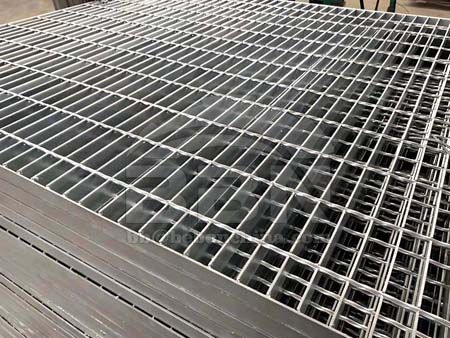
Steel grating typically utilizes welded connections; the high-temperature process fuses the components into a single, monolithic unit, ensuring maximum structural stability—making it ideal for heavy-duty applications. Aluminum alloy grating, conversely, relies primarily on bolted connections. This method offers flexibility in assembly and disassembly while avoiding the material degradation that welding can cause—a significant advantage, given that modifying steel grating after welding is a difficult and complex task.
In summary, the welded construction of steel grating is best suited for heavy-duty industrial environments, whereas the bolted connections of aluminum alloy grating are better aligned with lightweight applications and scenarios requiring ease of assembly and disassembly.
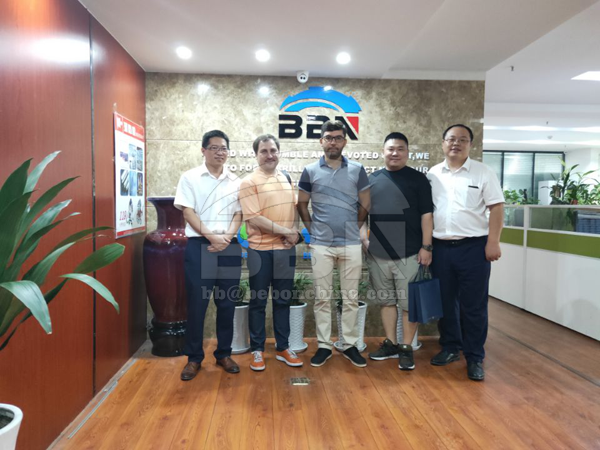
Just like you, 70% customers choose long-term cooperation with BBN steel not only for our good product and service quality, good reputation in the international market, but also for our experienced one-stop raw material supply and further steel processing!
Henan BEBON Iron&Steel co.,ltd.

 Language

 Online Consultation


