
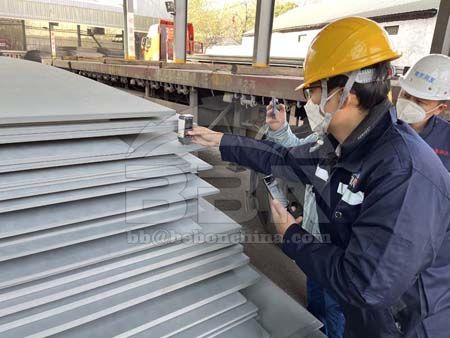
Assessing the weldability of A131 steel requires looking beyond the steel plate itself. While standards set upper limits for carbon equivalent and crack sensitivity coefficients, the ultimate integrity of a weld depends on the interplay between the base metal composition, the choice of welding consumables, and the heat input (line energy) applied during the process.
A131 steel belongs to a low-carbon, micro-alloyed system, typically with a carbon equivalent controlled below 0.40, which allows for a relatively wide process window for ambient-temperature fabrication. However, preheating remains essential when dealing with thicker plates or lower ambient temperatures. Low-hydrogen welding consumables should be selected, with diffusible hydrogen content kept below 5 ml/100g; otherwise, cold cracking may initiate at the root of the weld. Conversely, excessive heat input can lead to grain coarsening in the heat-affected zone (HAZ), which may cause the material to fail impact testing at -40°C—even before the base metal itself fails.
BBN Steel supplies A131 steel plates in Grades A, B, D, and E, as well as AH32 and AH36 shipbuilding grades. We can provide measured carbon equivalent and Pcm (crack sensitivity) values for specific projects to assist shipyards in completing their Welding Procedure Qualification (WPQ). When requesting a quote, please specify the plate thickness and the intended welding method so that we can provide tailored recommendations for composition control.
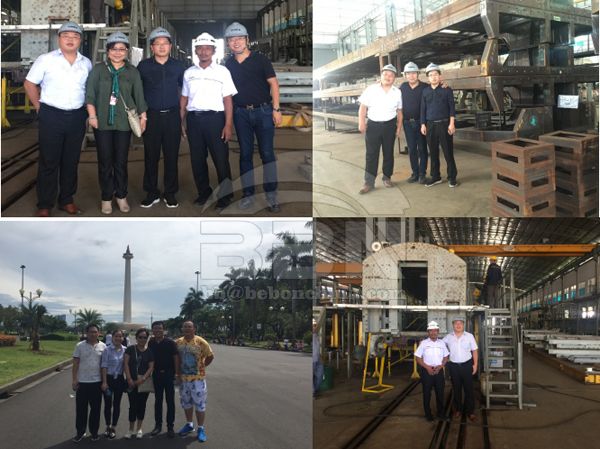
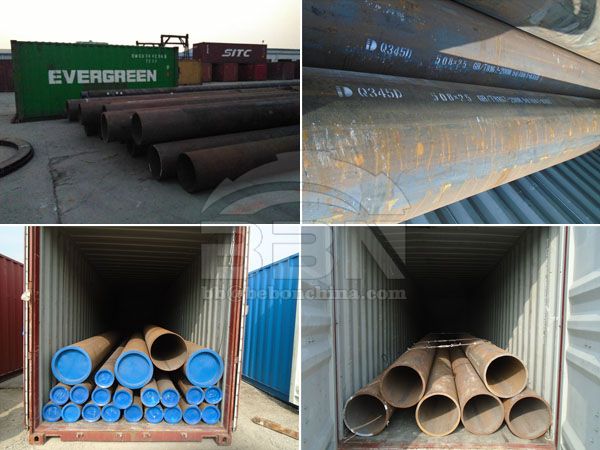
Just like you, 70% customers choose long-term cooperation with BBN steel not only for our good product and service quality, good reputation in the international market, but also for our experienced one-stop raw material supply and further steel processing!





Henan BEBON Iron&Steel co.,ltd.

 Language


 Online Consultation


