

Sep-30-2026
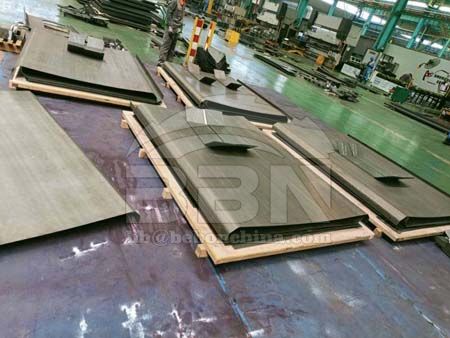
In practical applications—such as ballistic armor components, protective walls for shooting ranges, and specialized engineering vehicles—impact resistance is a critical factor determining the product's service life. Buyers often encoun
Sep-30-2026
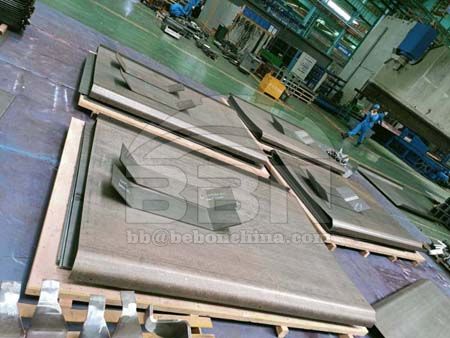
Industrial-grade AR550 ballistic steel is a core material choice for projects involving security equipment manufacturing, industrial protection engineering, and the upgrading of specialized operational gear. When sourcing AR550 ballistic steel, buyers oft
Sep-30-2026
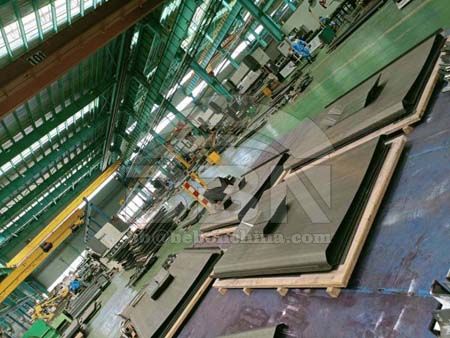
Sourcing AR550 ballistic steel—used in applications such as bulletproof armor, shooting ranges, and special vehicle manufacturing—has long been a pain point in the industry. Many customers report chaotic pricing structures in the market, with
Sep-24-2026
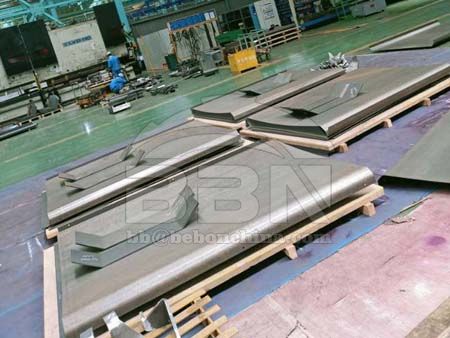
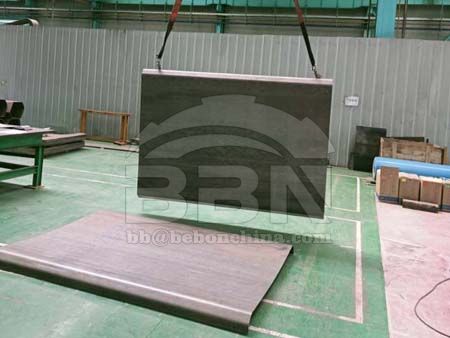
Projects facing urgent orders often experience delivery delays due to long lead times for mill-direct orders and complex logistics involved in sourcing ballistic steel. BBN Steel maintains a ready inventory of AR550 ballistic steel in the most common thic
Sep-24-2026
While many focus on the ballistic performance of AR550 steel, its excellent wear resistance—which drives long-term value—is often overlooked. Thanks to precision-controlled heat treatment processes, AR550 steel supplied by BBN Steel ensures co
Sep-24-2026
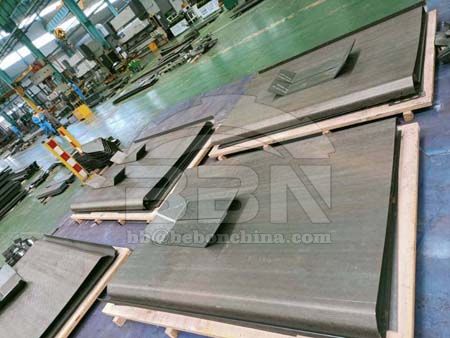
Many customers sourcing ballistic steel have encountered issues such as inconsistent performance across batches or discrepancies between test reports and the actual material; choosing BBN AR550 ballistic steel eliminates these hassles. As a dedicated supp
Sep-24-2026
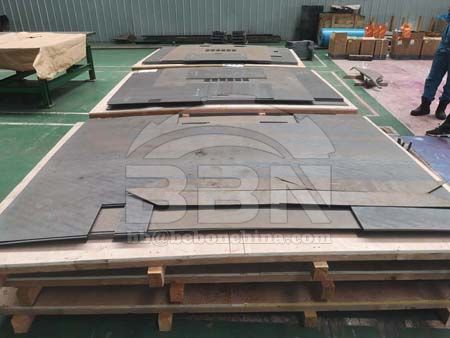
As a specialist supplier of ballistic materials, BBN steel offers comprehensive customization services for AR550 ballistic steel. We flexibly adjust plate thickness and dimensions to meet specific project requirements, thereby eliminating material waste a
Sep-24-2026
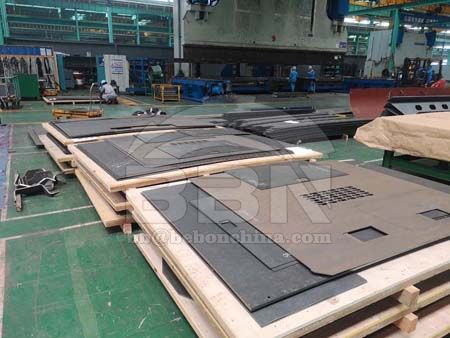
As a professional supplier of ballistic steel, BBN steel offers AR550 ballistic steel with full-specification batch customization. Covering the common thickness range of 2.5mm to 20mm, plate parameters can be precisely matched to specific project requirem
Sep-18-2026
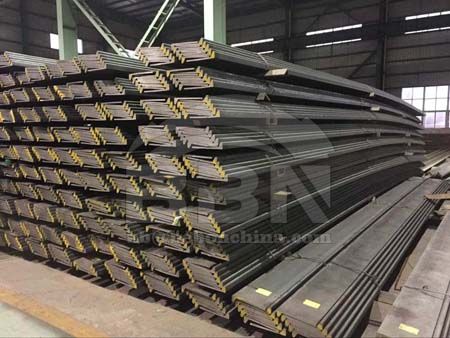
For shipbuilding and emergency repair projects, unexpected material shortages and delays caused by long mill production schedules are common pain points for purchasers. Our readily available stock of high-strength DH36 marine bulb flats offers a supply so
Sep-18-2026
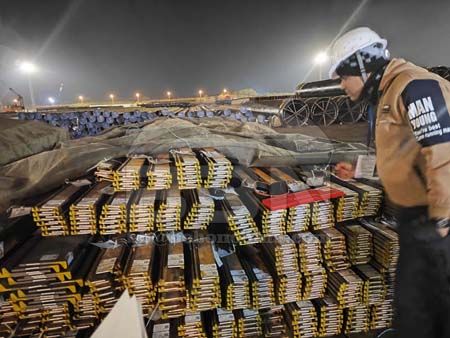
In the construction of oceangoing vessels, critical load-bearing components—such as hull ribs and side stiffeners—demand profiles with exceptional all-around performance; DH36 bulb flat steel is widely recognized by shipyards as a premier choi
Sep-18-2026
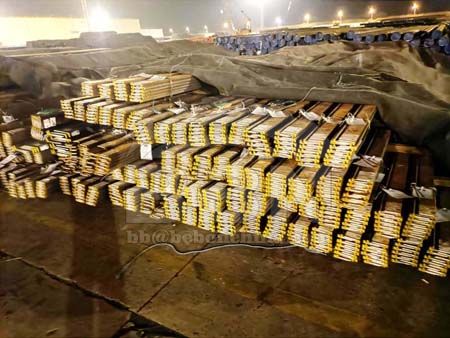
Shipyards sourcing DH36 bulb flats often face challenges such as stock shortages for specific sizes and inconsistent performance across batches. Leveraging an extensive, long-term inventory system, BBN Steel offers a complete range of mainstream DH36 bulb
Sep-18-2026
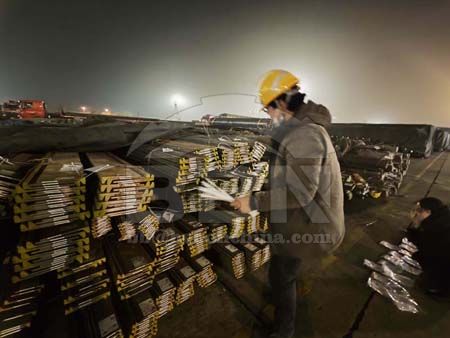
Corrosion and localized deformation of hull frames in aging vessels are common maintenance challenges; DH36 bulb flat—a specialized profile designed specifically for ship repair—is the ideal steel solution for these scenarios.Manufactured from

Sep-18-2026
DH36 fatigue-resistant marine bulb flat steel is a specialized structural section designed for demanding marine operating conditions. Unlike standard flat bars used in land-based structures, its unique bulb-head cross-section effectively distributes the a

Sep-11-2026
DH36 marine bulb flats that meet classification society standards are a prerequisite for passing official shipbuilding inspections and a fundamental requirement for ensuring the long-term structural safety of the vessel; they cannot simply be replaced by

Sep-11-2026
Transparent pricing for DH36 marine bulb flats is a top priority for shipbuilding companies during procurement. BBN Steel breaks with the industry convention of opaque quoting by laying out our pricing logic clearly for the customer to see.Our quotes prov
Latest Products
Henan BEBON Iron&Steel co.,ltd.


 Language

 Online Consultation


