
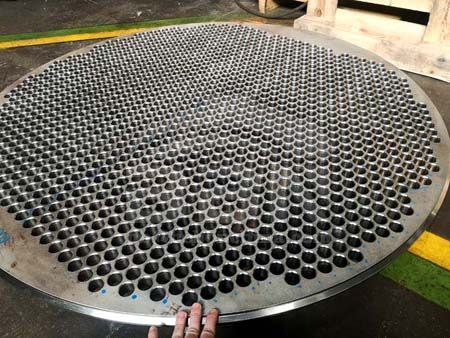
Tube sheet inspection standards and industry specifications are primarily based on relevant international and domestic standards, ensuring their safety and reliability in chemical, energy, and other fields. The following are key points:
I. Inspection Standards and Specifications
International Standards: Such as ISO and ASTM, covering material physical properties, chemical composition, and mechanical performance testing.
Domestic Standards: GB series standards, such as GB/T 150 "Pressure Vessels" and GB/T 151 "Shell-and-Tube Heat Exchangers," specify requirements for the mechanical strength, environmental stress cracking resistance, and heat resistance of tube sheets.
II. Inspection Items and Methods
Material Testing: Analyzing composition and structure using professional equipment to ensure compliance with industry standards.
Mechanical Performance Testing: Including tensile, impact, and hardness tests to verify the strength and toughness of the tube sheet.
Non-destructive Testing: Such as radiographic testing (GB3323-87) and ultrasonic testing, to inspect welds and internal defects.
III. Industry Applications and Requirements
Chemical Industry: Tube sheets require corrosion resistance and high-temperature resistance; inspection standards strictly follow GB/T 151 and other specifications.
Energy Industry: Such as nuclear power and thermal power, tube sheets need to withstand high pressure and high temperature; inspection standards include international standards such as ASME and EN.
General Requirements: Tube sheet splice welds require 100% radiographic inspection, flatness should not exceed 3mm per square meter, and the tube hole pitch deviation should not exceed 1.5mm.
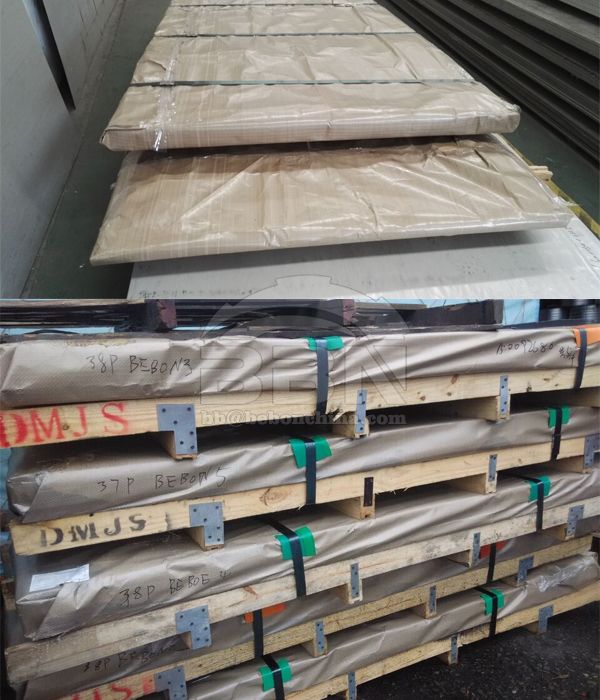
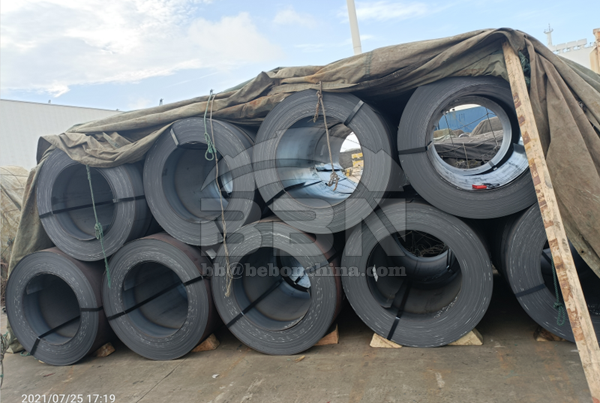
Just like you, 70% customers choose long-term cooperation with BBN steel not only for our good product and service quality, good reputation in the international market, but also for our experienced one-stop raw material supply and further steel processing!

Henan BEBON Iron&Steel co.,ltd.


 Language

 Online Consultation


